


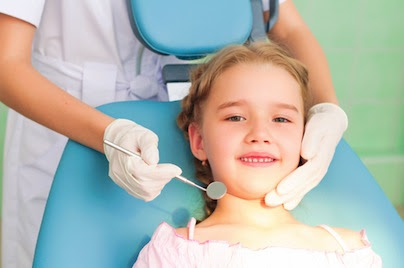
Oral health is crucial for overall well-being. Starting early helps you establish a strong foundation that lasts a lifetime. By understanding key milestones at each age, you can support dental health effectively. From a baby’s first tooth to an adult’s routine check-ups, these milestones guide you. Infants need gentle cleaning with a damp cloth. Toddlers benefit from their first visit to a dentist in Transcona. As they grow, children require regular brushing with fluoride toothpaste. For teenagers, orthodontic check-ups are essential. Adults must prioritize preventive care and address any issues promptly. Seniors require added focus on maintaining healthy gums and teeth. Regular dental visits ensure each stage receives the attention it needs. This focus on milestones helps prevent problems and fosters a lifelong habit of care. Stay proactive, and you’ll ensure strong teeth and healthy smiles at every age. Your journey to good oral health starts now.
Infants (0-12 Months)
In the early months, oral hygiene starts even before teeth appear. Gently wipe your baby’s gums with a soft, damp cloth to remove bacteria. When the first tooth arrives, usually around six months, begin using a small, soft-bristled toothbrush with water. Regular visits to a pediatric dentist help monitor your child’s oral development.
Toddlers (1-3 Years)
As toddlers grow, emphasizing proper brushing techniques becomes essential. Use a tiny smear of fluoride toothpaste, brushing twice daily. Encourage independence by letting them try brushing, but always supervise. Schedule dental visits every six months to ensure everything is on track. Early visits help children become familiar with the dental environment.
Children (4-12 Years)
At this stage, children develop their permanent teeth. Reinforce brushing twice daily with fluoride toothpaste and introduce flossing around age six. Regular dental check-ups catch potential issues early. Educate children about the importance of limiting sugary snacks and drinks to prevent cavities. Consider dental sealants to protect molars from decay.
| Age Group | Key Milestones | Recommended Actions |
| Infants | First tooth eruption | Use a damp cloth for cleaning gums |
| Toddlers | Introduction of fluoride toothpaste | Supervised brushing twice daily |
| Children | Emergence of permanent teeth | Introduce flossing, consider sealants |
| Teens | Orthodontic evaluations | Regular check-ups, maintain oral hygiene |
| Adults | Routine care and potential treatments | Preventive visits, address issues promptly |
| Seniors | Focus on gum health | Regular cleaning, monitor oral changes |
Teens (13-19 Years)
Teenagers often experience increased dental issues due to dietary changes and braces. Regular orthodontic evaluations are key. Encourage consistent brushing and flossing habits. Teens should continue routine dental exams to monitor wisdom tooth development. Stress the importance of a mouthguard for those involved in contact sports.
Adults (20-64 Years)
For adults, maintaining oral health involves more than just brushing and flossing. Regular dental visits can help detect problems like gum disease early. Adults should watch for changes in their oral health, such as sensitivity or pain. Quitting smoking and reducing alcohol consumption can significantly improve oral health.
According to the Centers for Disease Control and Prevention, untreated cavities and gum disease are common among adults. Preventive care helps avoid these issues.
Seniors (65+ Years)
Gum health becomes more critical in senior years. Regular dental check-ups help manage the risk of gum disease and other age-related changes. Seniors may experience dry mouth due to medications, which can impact oral health. Using fluoride toothpaste and staying hydrated can help.
The National Institute of Dental and Craniofacial Research recommends maintaining regular dental care to ensure continued oral health in later years.
Conclusion
Oral health is a journey that evolves with age. Understanding milestones helps you provide the right care at the right time. Start early, stay proactive, and establish habits that promote lifelong dental health. By following these guidelines, you ensure a future filled with healthy smiles.
