


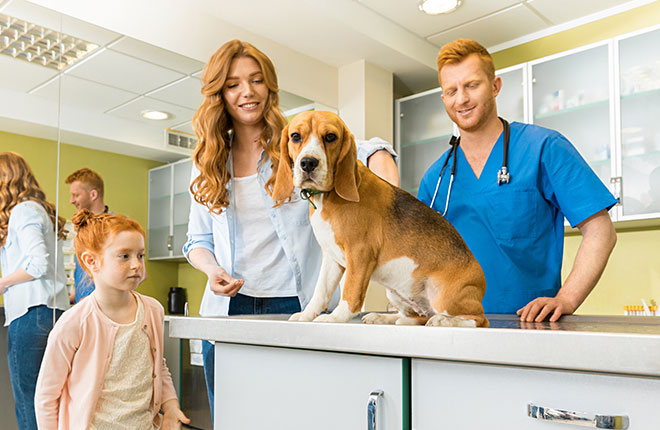
During routine vet visits, understanding your pet’s nutritional needs can be challenging. You want the best for your furry friend. A veterinarian in South Boise can guide you in evaluating your pet’s diet effectively. This process is essential to your pet’s health. It involves assessing their weight, coat condition, and overall energy. Don’t wait for signs of poor nutrition. Address potential issues early to keep your pet healthy and happy. Recognizing the signs of nutritional deficiencies can feel overwhelming, but you are not alone. Your vet will help you make the right dietary choices. They can offer tailored recommendations to meet your pet’s unique needs. With the right guidance, you can ensure your pet receives the care they deserve. Remember, proactive care leads to a healthier, happier pet. Make nutritional assessments part of every vet visit. This ensures your pet thrives and enjoys a fulfilling life by your side.
The Importance of Regular Nutritional Assessments
Nutritional assessments are not just about filling a bowl. They play a crucial role in managing your pet’s overall health. By including nutrition in routine vet visits, you can prevent serious health problems. Common concerns like obesity, diabetes, and heart disease often tie back to diet. By assessing your pet’s nutritional status, vets help prevent conditions before they escalate. This proactive approach saves stress and potential costs in the long run.
What to Expect During a Nutritional Assessment
During a nutritional assessment, your vet will ask about your pet’s diet, eating habits, and treats. They will conduct a physical exam, focusing on your pet’s body condition score (BCS) and muscle condition score (MCS). These scores give a clear picture of your pet’s health.
Customizing Nutritional Plans
Once the assessment is complete, the vet will discuss a customized nutritional plan. This plan considers your pet’s age, breed, activity level, and any health concerns. Specific diets may be recommended. For example, senior pets may benefit from diets rich in omega-3 fatty acids, while active dogs might need higher protein levels.
The FDA’s Animal and Veterinary resources offer guidance on pet foods and supplements. These resources provide reassurance that your vet’s recommendations align with safety standards.
Signs of Nutritional Deficiencies
Recognizing nutritional deficiencies can be difficult. However, knowing the signs helps you act quickly. Common indicators include dull coats, low energy levels, and unexplained weight changes. If you notice these symptoms, consult your vet immediately. Early intervention ensures your pet returns to optimal health without delay.
Maintaining a Balanced Diet
Your pet’s diet should be balanced and complete. Look for pet foods bearing the Association of American Feed Control Officials (AAFCO) statement. This statement ensures the food meets nutritional guidelines. Regular vet consultations keep you informed about changes in dietary requirements as your pet ages or experiences health changes.
Learn more about AAFCO’s guidelines to help understand pet food labels and ensure you provide the best diet for your pet.
Building a Strong Vet-Pet Relationship
Regular nutritional assessments foster a stronger relationship between you and your vet. Open communication enables you to express concerns and receive expert advice. This partnership supports your pet’s well-being and ensures they receive comprehensive care tailored to their needs.
Incorporating nutritional assessments into routine vet visits represents a commitment to your pet’s health. It shows you prioritize their well-being and understand the impact of diet on their quality of life. With professional guidance, you can navigate nutritional needs confidently.
