


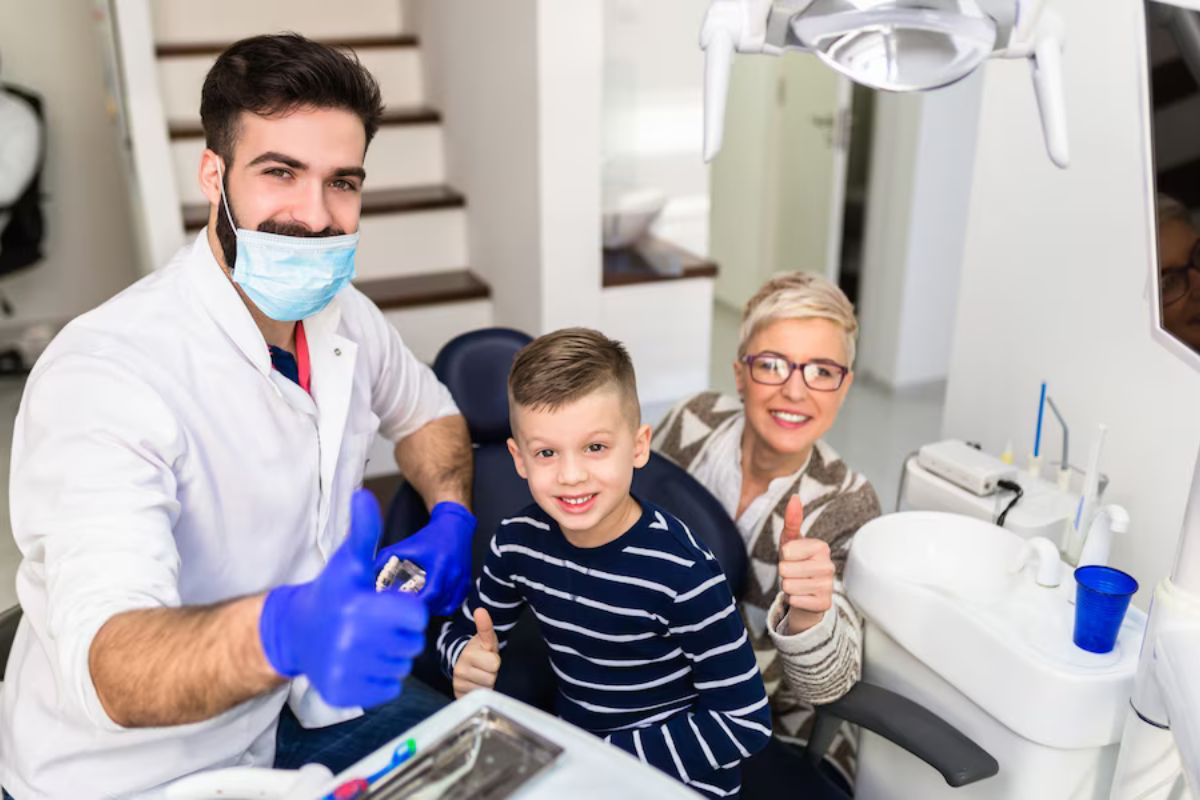
Dental education is crucial for family health. When you learn about oral care, you protect your loved ones from tooth decay and gum disease. A Grand Valley dentist can guide you in this journey. They teach you how to prevent problems before they start. In dental school, professionals gain skills to help families maintain bright smiles. They learn not just how to treat teeth, but how to educate effectively. This education empowers you to make informed choices. You understand the value of routine check-ups and proper brushing. These lessons form the backbone of family dentistry. They ensure healthy habits for future generations. By focusing on prevention, you save on future costs and discomfort. When you seek family dental care, you invest in lifelong well-being. Recognize the power of proper dental education. Make it a priority for your family’s health. Knowledge and guidance lead to confident smiles.
The Importance of Early Education
Proper dental care begins at a young age. Teaching children about oral hygiene sets the foundation for lifelong health. When kids understand the reasons for brushing and flossing, they are more likely to keep these habits. Education at home, supported by professional guidance, helps instill these values. Schools can also play a significant role by incorporating dental health into their curriculum.
How Dentists Contribute to Education
Dentists serve as educators in their communities. They offer practical knowledge about maintaining oral hygiene. Many dental offices, like those run by a National Institute of Dental and Craniofacial Research, provide resources and workshops to families. They simplify complex topics, making them understandable for all ages. This community-centered approach has far-reaching benefits, reducing the incidence of dental problems.
Key Components of Dental Education
- Brushing and Flossing Techniques
- Importance of Regular Check-ups
- Understanding Diet’s Impact on Teeth
Effective education covers these basic areas. You learn the correct way to brush and floss, ensuring all teeth are properly cleaned. Regular visits to the dentist catch issues early, avoiding complicated treatments later. Additionally, understanding how diet affects oral health empowers you to make better choices, limiting sugary snacks and drinks.
Comparing Preventive vs. Reactive Care
Taking a proactive approach to dental care can lead to significant benefits. Here’s a simple comparison:
| Preventive Care | Reactive Care |
|---|---|
| Regular Check-ups | Treatment of Existing Issues |
| Cost-Effective Long-Term | Potentially High Costs |
| Minimizes Pain and Discomfort | Can Involve Painful Procedures |
This table highlights the clear advantages of preventive care. By focusing on prevention, families can avoid costly and painful treatments.
Building a Healthy Dental Routine
Creating a consistent dental routine is the cornerstone of oral health. Encourage every family member to brush twice a day and floss daily. Set reminders or create a chart to track daily habits. Doing these simple tasks ups the chances of maintaining healthy teeth and gums.
Conclusion
Dental education shapes the future of family health. When you prioritize learning about oral care, you safeguard your family against common dental issues. A knowledgeable dentist plays a vital role in this process, offering direction and support. Invest in dental education and promote healthy habits. The benefits extend beyond just teeth, impacting overall health and happiness. Let this understanding empower your family to maintain bright, confident smiles for years to come.
