


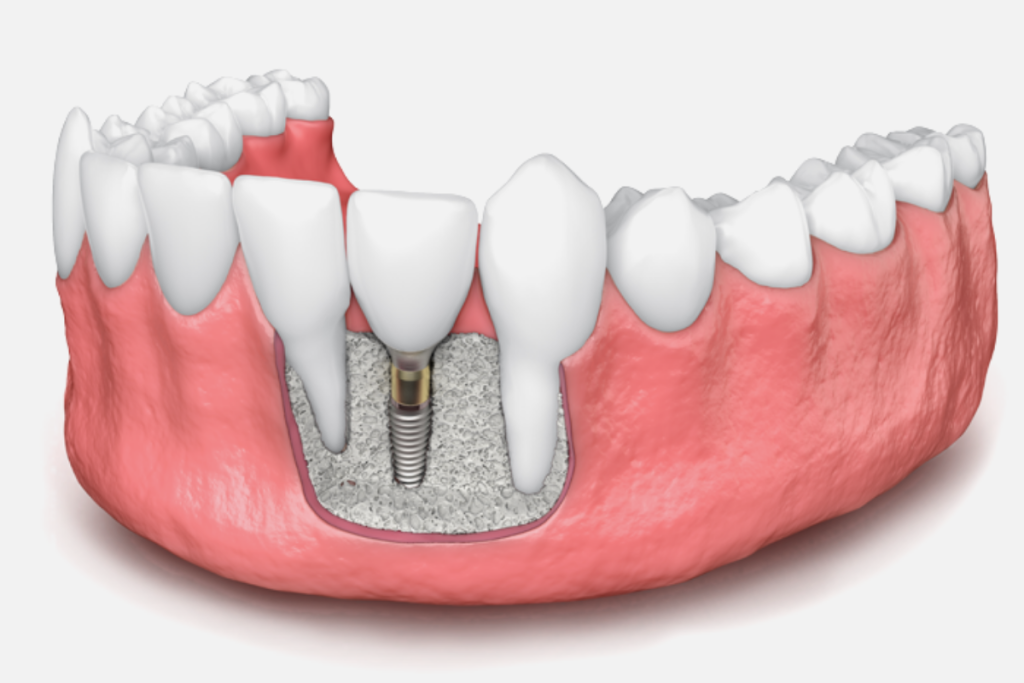
You may hear of bone grafting and wonder why it matters. In implant dentistry, it’s crucial. Bone grafting is often the foundation for a successful dental implant. Without enough bone, implants can fail. You need a strong base to support the implant. If your jawbone is too thin or soft, the implant may not hold well. Bone grafting can fix this. It adds new bone or encourages growth. This helps the implant stay in place. You gain a more stable and lasting solution. It’s a common procedure with high success rates. If you’re considering implants, consult a Periodontal specialist in Long Island, NY. They can assess your bone health and discuss options with you. Understanding bone grafting can lead to better outcomes. Dental health affects your life quality. Reliable information and expert advice can guide you to the best decisions for your dental needs.
What is Bone Grafting?
Bone grafting is a procedure to replace missing bone. It stimulates bone growth. This is essential for dental implants to anchor properly. New bone can come from your body or a donor. Synthetic materials can also serve as a substitute. The goal is to create a strong foundation for implants.
Why Bone Grafting is Necessary
Some people experience bone loss due to age, periodontal disease, or trauma. This can make the jawbone unsuitable for implants. Bone grafting addresses these problems by restoring bone density. A sturdy jawbone is vital for implant retention.
Types of Bone Grafts
- Autograft: Bone from your own body.
- Allograft: Bone from a donor.
- Xenograft: Bone from an animal.
- Alloplast: Synthetic bone material.
Advantages of Bone Grafting
Bone grafting enhances the stability of dental implants. It prevents further bone loss and maintains facial structure. This leads to improved oral health and function. Patients often enjoy better chewing and speaking abilities.
Comparison of Graft Types
| Graft Type | Source | Pros | Cons |
|---|---|---|---|
| Autograft | Self | High compatibility | Requires additional surgery |
| Allograft | Donor | No second surgery | Lower integration rate |
| Xenograft | Animal | Readily available | Potential for rejection |
| Alloplast | Synthetic | Customizable | Varied results |
Procedure and Recovery
The procedure is usually outpatient. Your specialist will make a small incision. They place the graft material and close the area. Recovery varies by individual. Follow your dentist’s advice for care and healing. Most patients return to normal activities quickly.
Choosing the Right Specialist
Not every dentist performs bone grafting. Look for a qualified professional with experience. The American Dental Association offers resources to find certified specialists. Visit their official website for more information. Consultation can provide a clear understanding of the process and its benefits.
Conclusion
Bone grafting plays a key role in implant dentistry. It offers strength and durability to dental work. This simple procedure can improve comfort and quality of life. Consult a specialist for personalized advice. With the right information, you can make informed decisions about your dental health.
