


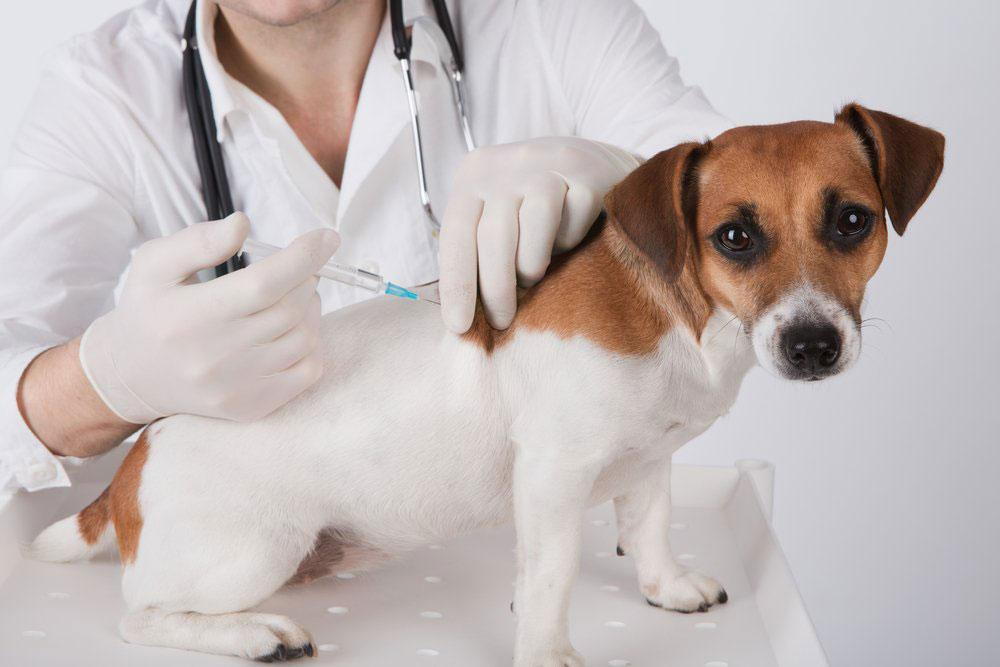
You love your pets and want the best for them. Keeping up with their vaccinations is key to ensuring their health. Vaccines protect your pets from serious diseases that could otherwise threaten their lives. At times, these illnesses can spread to humans. By vaccinating, you not only safeguard your pet but your family too. You may wonder which vaccines are necessary. Core vaccines, like those for rabies and distemper, are essential. Non-core vaccines depend on factors like lifestyle or environment. It’s crucial to have a local vet, such as the animal hospital in Roanoke, VA, guide you. They will tailor a vaccination plan for your pet’s specific needs. Getting the appropriate vaccines helps prevent the spread of diseases. Prioritize your pet’s well-being and peace of mind by understanding their vaccination needs. Let’s explore these vaccines and understand why they are important for your pets.
Core Vaccines
Core vaccines are those that every pet should receive. These vaccines protect against diseases that are widespread and pose significant health risks.
- Rabies Vaccine: This vaccine is crucial for both dogs and cats. Rabies is a fatal disease, and vaccination is usually required by law. Protecting against rabies helps prevent transmission to humans.
- Distemper Vaccine: For dogs, the distemper vaccine also includes protection against parvovirus and adenovirus. Distemper is highly contagious and can be fatal. Cats receive the FVRCP vaccine, which protects against feline distemper, calicivirus, and rhinotracheitis.
- Parvovirus Vaccine: This is a core vaccine for dogs. Parvovirus is a highly contagious virus affecting dogs. It can cause severe gastrointestinal issues. Vaccination is the best prevention method.
- Feline Viral Rhinotracheitis, Calicivirus, and Panleukopenia (FVRCP) Vaccine: For cats, this combination vaccine is essential. It protects against three serious respiratory and systemic infectious diseases.
Non-Core Vaccines
Non-core vaccines are recommended based on specific factors like geographical location and lifestyle.
- Leptospirosis Vaccine: This is recommended for dogs in areas with high exposure to water sources. Leptospirosis is a bacterial infection that can affect both humans and animals.
- Lyme Disease Vaccine: Recommended for dogs in areas with high tick exposure. Lyme disease can cause joint and kidney issues.
- Bordetella Vaccine: Known as the kennel cough vaccine, it’s recommended for dogs that frequent boarding kennels or grooming facilities.
- Feline Leukemia Vaccine: Recommended for cats that spend time outdoors. Feline leukemia is a serious viral infection.
Vaccination Schedule
Your pet’s vaccination schedule will differ based on age, health, and risk factors. Consult your vet for a personalized plan. Typically, core vaccines are given in a series for young pets and followed by boosters throughout their lives.
| Vaccine | Initial Dose | Booster |
|---|---|---|
| Rabies | 12-16 weeks | Every 1-3 years |
| Distemper (Dogs) | 6-8 weeks | Every 1-3 years |
| Parvovirus (Dogs) | 6-8 weeks | Every 1-3 years |
| FVRCP (Cats) | 6-8 weeks | Every 1-3 years |
Why Vaccination Matters
Vaccinations are not just a routine part of pet care. They are a critical step in disease prevention. Vaccines work by stimulating your pet’s immune system to fight off specific infections. This protection reduces the risk of outbreaks in pet communities.
According to the American Veterinary Medical Association, vaccinated pets help create a safe environment for other animals and humans. By keeping vaccinations up to date, you help prevent the spread of diseases.
Conclusion
Vaccinating your pet is a responsibility that ensures their health and safety. It protects against serious diseases and keeps your family safe. With the right vaccines, you can give your pet the best chance at a healthy life. Regular check-ups with your vet will help keep your pet’s vaccination schedule on track. This is a simple step with a big impact on your pet’s well-being.
