


Animal health matters as much as human health. You strive for your pet’s happiness. Regular dental cleanings at animal hospitals play a crucial role in this. A Kenosha veterinarian knows that dental care can prevent serious health issues. Your pet’s mouth affects the whole body. Without cleanings, plaque and tartar build up. This leads to gum disease, pain, and tooth loss. Even organs might suffer from bacterial spread. A pet’s life and well-being depend on a clean mouth. Routine check-ups with your vet catch problems early. This saves time, money, and stress for both of you. Each pet is unique, and so is their treatment. Your vet knows your pet’s needs. They ensure the right care. You value your pet’s life. Dental cleanings ensure a long, healthy partnership. Show your pet love through proper dental care at your local animal hospital. Expert care leads to a happier, healthier pet.
Understanding the Risks of Poor Dental Health
Neglecting dental health can have serious consequences. When plaque hardens into tartar, it becomes a breeding ground for bacteria. This can result in painful gum disease. If untreated, bacteria may enter the bloodstream. This can affect vital organs like the heart, liver, and kidneys. Dental health directly impacts overall health.
Recognizing the Signs of Dental Issues
You can spot potential dental problems early by watching for signs. Bad breath is a common indicator. Drooling, difficulty eating, or red gums might mean trouble. Loose or missing teeth can also signal deeper issues. Regular veterinary check-ups are essential in detecting these signs.
The Veterinary Dental Cleaning Process
During a dental cleaning, your pet will receive gentle care. First, the vet conducts a thorough examination. This ensures your pet is healthy enough for anesthesia. Once sedated, the vet removes plaque and tartar. They clean beneath the gum line, reducing future risks. Finally, teeth are polished to prevent further plaque buildup.
Frequency of Dental Cleanings
How often should your pet receive dental cleanings? This depends on age, breed, and health. Generally, a yearly visit is a good rule. Some pets might need more frequent cleanings. Consult your vet for a personalized plan.
Benefits of Professional Dental Cleanings
Professional cleanings offer benefits beyond what you can do at home. Vets use specialized tools to reach areas you can’t. They spot issues early, avoiding costly treatments later. Your pet’s fresh breath is just one of many benefits. A healthy mouth contributes to a happy, active life.
Simple Steps for Pet Dental Care at Home
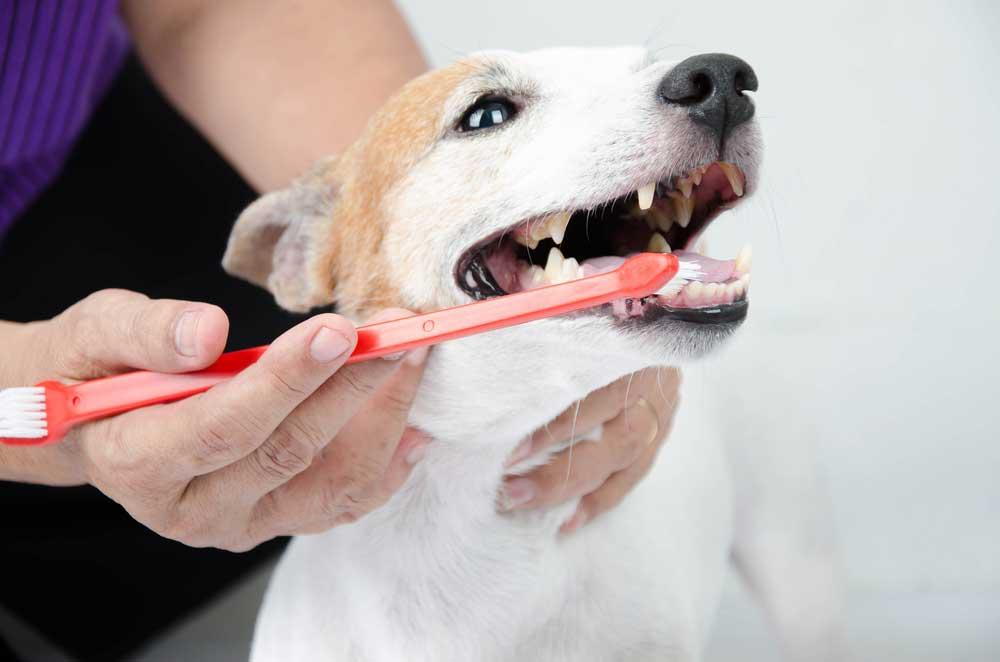
At home, your efforts matter too. Brush your pet’s teeth regularly. Use pet-friendly toothpaste and a soft brush. Dental chews can also help in reducing plaque. Regular check-ups, combined with home care, keep dental disease at bay.
Comparing Costs: Prevention vs. Treatment
Investing in regular cleanings might seem costly. However, prevention saves money in the long run. Treating advanced dental disease is expensive. It involves more tests, treatments, and medications. Consider the table below:
| Service | Average Cost |
|---|---|
| Routine Dental Cleaning | $200 – $300 |
| Advanced Dental Treatment | $500 – $1,000+ |
Resources for Pet Dental Health
For more information, explore resources from trusted organizations. The American Veterinary Medical Association offers valuable insights on pet dental care. Their guidelines help you maintain your pet’s dental health.
Conclusion
Your pet’s bright smile is worth the effort. Dental health is a key part of their well-being. By prioritizing regular cleanings and at-home care, you prolong their life and happiness. Building a routine with your vet ensures your pet receives the best care possible. Healthy teeth and gums lead to a healthier, more joyful pet.
