


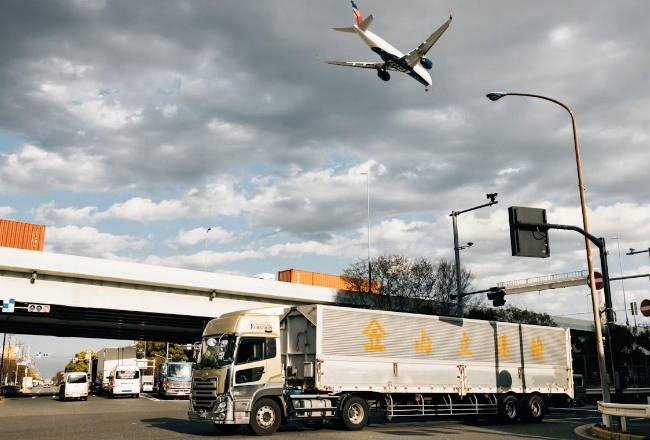
When importing or exporting goods, choosing between air and sea freight isn’t just about speed or cost—it also affects how customs clearance is handled. While the core principles of customs clearance are the same, the documentation, timelines, and compliance risks can differ significantly depending on the transport mode.
Understanding these differences helps businesses avoid delays, penalties, and unexpected costs.
What Is Customs Clearance?
Customs clearance is the process of declaring goods to customs authorities so they can legally enter or leave a country. It involves submitting accurate documentation, paying duties and taxes, and complying with border regulations.
Whether goods arrive by air or sea, customs authorities assess:
- The nature and value of the goods
- Country of origin
- Tariff classifications
- Biosecurity, safety, and import restrictions
Errors at this stage can result in delays, inspections, or fines.
Customs Clearance for Air Freight
Air freight is typically used for urgent, high-value, or time-sensitive shipments. Because of the speed involved, customs clearance for air freight often operates on tighter timelines.
Key Characteristics of Air Freight Customs Clearance
- Faster processing expectations
- Shorter storage time at airports
- Earlier document submission required
- Higher scrutiny on value and accuracy
Common Documentation
- Commercial invoice
- Air waybill
- Packing list
- Import permits (if required)
- Customs declaration
Because goods may arrive within days, incomplete paperwork can quickly lead to delays and storage charges.
Customs Clearance for Sea Freight
Sea freight is commonly used for bulk, heavy, or non-urgent cargo. While transit times are longer, customs clearance can be more complex due to shipment size and volume.
Key Characteristics of Sea Freight Customs Clearance
- Longer lead times for document preparation
- Greater likelihood of inspections
- Wharf and port-related charges
- More detailed cargo reporting
Common Documentation
- Commercial invoice
- Bill of lading
- Packing list
- Certificate of origin
- Import permits and compliance documents
Sea freight errors can be costly due to port storage fees and demurrage charges.
Key Differences Between Air and Sea Freight Customs Clearance
Timing
Air freight clearance must be prepared in advance to match rapid arrival times, while sea freight allows more preparation time but involves longer clearance windows.
Costs
Air freight errors often result in faster penalties due to urgency, while sea freight delays can accumulate significant port and storage fees.
Inspection Risk
Sea freight shipments are more frequently selected for physical inspections due to volume, whereas air freight inspections often focus on valuation and security concerns.
Cargo Type
Hazardous, oversized, or regulated goods may face stricter clearance requirements regardless of transport mode.
Common Customs Clearance Challenges
Businesses using either freight method often face:
- Incorrect tariff classifications
- Under- or over-declared values
- Missing permits or certificates
- Biosecurity or quarantine issues
- Poor communication between parties
These issues can disrupt supply chains and increase costs if not managed properly.
Why Professional Support Matters
Customs regulations are complex and change frequently. Working with experts who provide customs clearance solutions helps ensure:
- Accurate documentation
- Compliance with local and international laws
- Faster clearance times
- Reduced risk of fines or delays
Professional support is especially valuable for businesses importing regularly or handling regulated goods.
Plan Customs Clearance Around Your Freight Choice
Air and sea freight each come with distinct customs clearance considerations. While air freight demands speed and precision, sea freight requires careful planning to manage volume, inspections, and port processes.
By understanding these differences and preparing documentation correctly, businesses can streamline customs clearance, minimise disruptions, and keep goods moving efficiently—regardless of how they’re shipped.
