


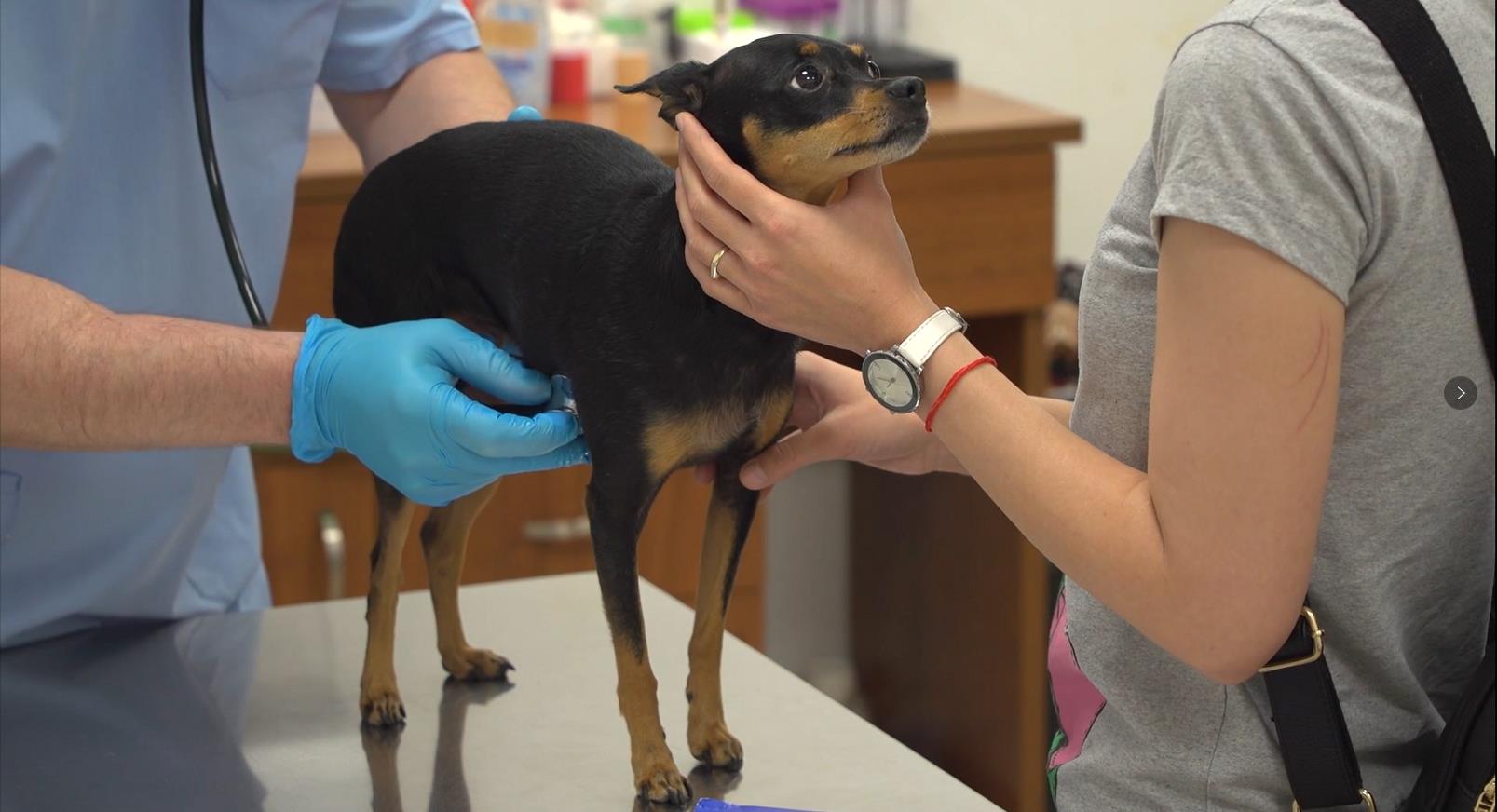
When you visit an animal hospital in Ogden, UT, you might not think about the advanced diagnostic tools at play. Yet, these tools can save your pet’s life. They offer accurate results that guide effective treatment. Imaging tools like X-rays and ultrasounds help identify hidden issues. Blood tests reveal underlying conditions affecting behavior or health. Meanwhile, endoscopy provides a non-invasive look inside your pet’s body. Each tool is essential for precise diagnosis and timely care. But you might wonder why these tools matter. They reduce guesswork. They improve outcomes. They ensure your pet receives the right care at the right time. This means less stress and faster recovery for your pet. With these tools, your vet can make informed decisions. Your pet deserves that level of care and compassion. In these moments, you see the commitment and expertise of the veterinary team firsthand. Your pet’s health matters, and these tools make a difference.
Imaging Tools
Imaging tools form the backbone of diagnostics in animal hospitals. X-rays are among the most common tools used. They help detect fractures, tumors, and foreign objects. They provide a clear image of your pet’s internal structure. Ultrasounds take it a step further by showing moving images. These are crucial for examining the liver, heart, and kidneys. They help detect issues like fluid buildup and abnormal masses.
MRI and CT scans come into play for more complex cases. According to the American Veterinary Medical Association, CT scans offer detailed cross-sectional images. This helps in diagnosing brain, lung, and skeletal diseases. These tools provide a depth of information that simple X-rays cannot.
Laboratory Tests
Blood tests are another cornerstone of diagnostics. They reveal information about your pet’s organ function and overall health. These tests can spot infections, anemia, and other conditions. Urine tests complement blood tests. Together, they offer a full view of organ function and detect infections.
Fecal exams play an essential role in detecting parasites. These include worms and other microscopic organisms. Early detection is key to effective treatment. Routine screenings protect your pet’s health and prevent the spread of diseases.
Endoscopy
Endoscopy gives vets a direct look inside your pet’s organs. It uses a flexible tube with a camera to examine internal areas. This tool detects issues like tumors, ulcers, and blockages. It’s minimally invasive and often doesn’t require a full incision. This reduces recovery time and stress on your pet.
The procedure allows for both examination and treatment. A vet can remove foreign objects or take tissue samples. This dual function makes endoscopy a valuable tool in diagnostics.
Comparison of Diagnostic Tools
| Tool | Primary Use | Benefits |
| X-ray | Detect fractures, tumors | Quick results, non-invasive |
| Ultrasound | Assess organ conditions | Safe, detailed images |
| Blood Test | Organ function, infections | Comprehensive information |
| Endoscopy | Internal organ examination | Minimally invasive, precise |
The Importance of Timely Diagnosis
Quick, accurate diagnosis means effective treatment. It leads to better outcomes and faster recoveries. Advanced tools play a critical role here. They provide reliable data to guide treatment decisions. This level of precision makes a difference in emergency situations.
Animal hospitals invest in these technologies because they understand their impact. This commitment ensures your pet gets the best possible care. The result is improved quality of life for your pet and peace of mind for you.
Final Thoughts
Advanced diagnostic tools are vital in modern veterinary care. They ensure your pet receives accurate diagnosis and effective treatment. By understanding their importance, you can better appreciate the care your pet receives. Vets rely on these tools to make informed decisions. When you choose an animal hospital, consider the technology they have. Your pet’s health and happiness depend on it.
