


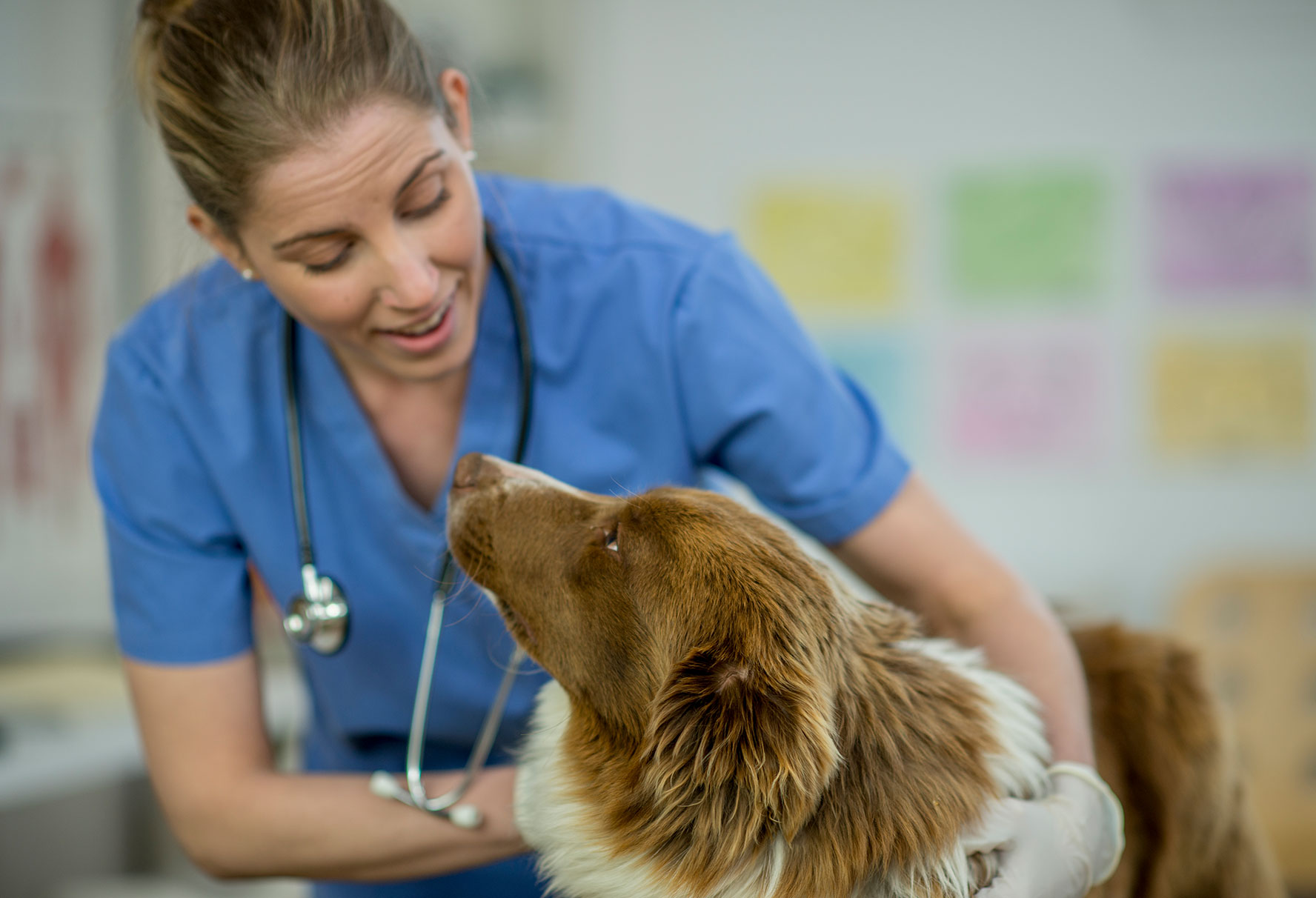
Caring for your senior pet requires a little extra attention and love. As pets age, their needs change, often needing more frequent check-ups and specific care. A trusted veterinarian in Lambertville, MI can support you in maintaining your furry friend’s health during their golden years. Regular vet visits help catch health issues early, allowing your pet to enjoy a happier life. You may notice changes in mobility, eating habits, or energy levels. These signs can point to age-related conditions, and addressing them promptly is crucial. Effective senior pet care involves balanced nutrition, regular exercise, and mental stimulation. You might feel overwhelmed, but you’re not alone. By partnering with a compassionate vet, you ensure your pet gets the support they need. Together, you can create a care plan tailored for your pet, helping them stay comfortable and content. Embrace this journey with understanding and dedication.
Understanding the Needs of Senior Pets
As pets grow older, their bodies undergo changes that can affect their health. You might notice your dog or cat doesn’t move as quickly or seems less interested in activities they once enjoyed. These signs are common in senior pets and can indicate the need for adjustments in care. The American Veterinary Medical Association highlights the importance of regular health checks and monitoring for older pets. Early detection of issues like arthritis, dental disease, and kidney problems can lead to more effective treatment and management. You can read more about these recommendations from the American Veterinary Medical Association’s guidelines.
Creating a Supportive Environment
Providing a comfortable living space is essential for your senior pet’s well-being. Ensure that their bed is soft and accessible. Make sure food and water bowls are within easy reach to minimize strain. If your pet struggles with stairs or jumping, consider using ramps. Simple changes can significantly improve their quality of life.
Nutrition and Exercise
Nutrition plays a crucial role in a senior pet’s health. Consider diets specially formulated for older animals, focusing on joint support and digestive health. Healthy eating helps maintain an ideal weight, reducing the risk of obesity-related issues.
Exercise remains important but adjust the intensity and duration to suit your pet’s capabilities. Shorter, more frequent walks can be beneficial for dogs, while indoor playtime with gentle toys can keep cats active. The goal is to keep them moving without causing discomfort.
Monitoring Health Changes
Senior pets may develop conditions that require more attention. Regular check-ups help catch these conditions early. Look for changes in behavior, eating, and bathroom habits. These can signal health issues that need immediate attention. According to the National Institutes of Health, maintaining an open dialog with your vet ensures that you address concerns swiftly.
Common Health Issues in Senior Pets
| Health Issue | Symptoms | Management Tips |
|---|---|---|
| Arthritis | Limping, stiffness, reluctance to move | Provide joint supplements, ensure a soft bed |
| Dental Disease | Bad breath, difficulty eating, drooling | Schedule regular dental cleanings, provide dental treats |
| Kidney Disease | Increased thirst, weight loss, decreased appetite | Offer a prescribed diet, encourage fluid intake |
Partnering with Your Vet
Your vet plays a key role in your pet’s senior care. Regular visits and open discussions about any changes you notice are vital. These interactions help create a personalized care plan that addresses the unique needs of your pet.
Emotional Support for You and Your Pet
Dealing with an aging pet can be emotionally challenging. It’s normal to feel sadness or worry. Remember, you’re providing your beloved companion with the best care possible. Cherish the time you have together, making adjustments to enhance their comfort and happiness.
In summary, senior pet care requires diligence and care. By staying informed and working closely with a veterinarian, you ensure a fulfilling life for your pet in their senior years. Your efforts add comfort and joy to their days, strengthening the bond you share.
