


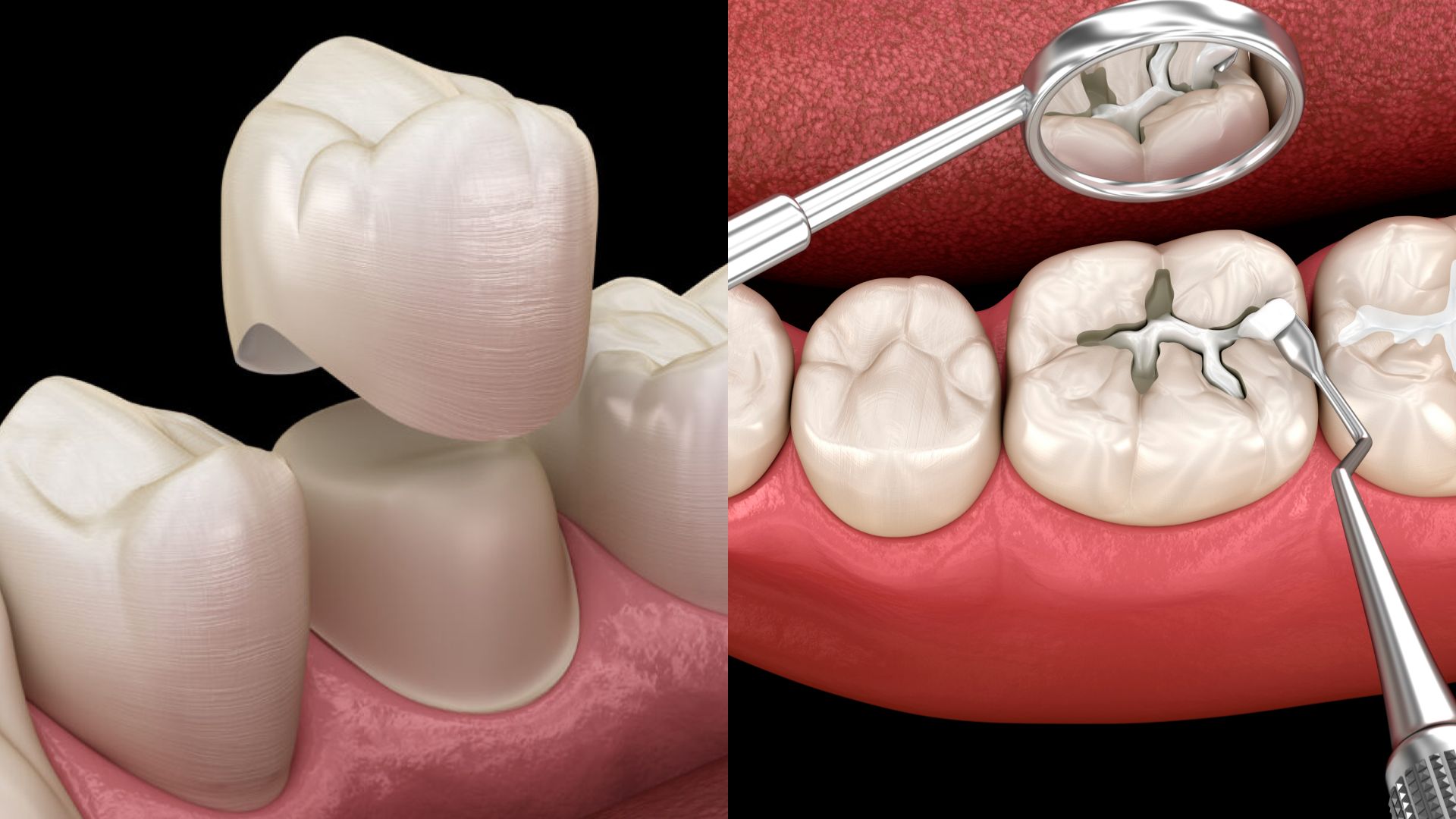
You need dental care. Fillings, crowns, and other treatments can seem overwhelming. However, understanding these procedures brings comfort. Fillings fix holes in your teeth. Crowns act like protective hats for damaged teeth. Other treatments restore your smile and ease your pain. Visiting a dentist in Tawas City MI ensures you get the care you need. These professionals guide you through each step. They know how to restore health to your mouth. Trust them to explain what fits your needs. You won’t face confusion alone. Trustworthy care awaits with a dentist ready to help you. Rest assured that your concerns are valid. Your health matters. Understand more about these treatments today. When you know what to expect, fear fades away. You can make informed choices. Better days are ahead with the help of caring hands. Take a deep breath. Relief is closer than you think.
Understanding the Basics
Dental fillings are perhaps the most common restorative treatment. They are used to repair cavities and prevent further decay. Different materials are used for fillings, each with unique benefits. Composite resin blends with your natural tooth color. Amalgam is durable, often used for back teeth.
Crowns cover and protect a compromised tooth. They are used after root canals or when a filling won’t suffice. Crowns can be made from metals, porcelain, or ceramics. Each material offers distinct advantages. Metal crowns are solid and last long. Porcelain crowns look natural and are popular for front teeth.
Comparing Fillings and Crowns
| Treatment | Purpose | Material Options | Lifespan |
|---|---|---|---|
| Filling | Repairs minor damage | Composite, Amalgam | 5-15 years |
| Crown | Protects and strengthens damaged tooth | Metal, Porcelain, Ceramic | 10-15 years |
Other Restorative Treatments
Root canals are crucial when tooth pulp is infected. This procedure cleans out infection and seals the tooth. Afterward, a crown is usually placed to protect the tooth. Dentures replace missing teeth and restore the ability to chew and speak clearly. Partial dentures are used when some natural teeth remain. Complete dentures replace an entire set of teeth.
Steps in Dental Restoration
The process starts with a dental exam and X-rays. This helps pinpoint the problem. Your dentist will discuss the best treatment options with you. The treatment choice depends on your needs and the condition of your teeth.
During the procedure, local anesthesia makes it painless. For fillings, decayed parts are removed first. Then, the chosen material fills the hole, and the surface is smoothed. For crowns, the tooth is reshaped to fit the crown. Afterward, a temporary crown is placed until the permanent one is ready.
Why Restorative Treatments Matter
Restorative treatments prevent further damage. They also restore function and appearance. Your teeth are vital for eating, speaking, and smiling. Addressing issues early prevents more significant problems. Regular check-ups help catch issues early.
Choosing the Right Dentist
Selecting a reliable dentist is essential. They should listen to your concerns and provide clear explanations. A good dentist will offer various treatment options to fit your budget and needs. You can find helpful resources at the American Dental Association for more guidance on choosing a dentist.
Conclusion
Understanding your dental treatment options empowers you. You make informed decisions and face less anxiety. Fillings, crowns, and other restorative procedures improve your health and quality of life. Trust a knowledgeable dentist to help you choose the best solution. With care, your mouth can heal and thrive. For additional information, visit the CDC’s oral health section. Take control of your dental health today.
