


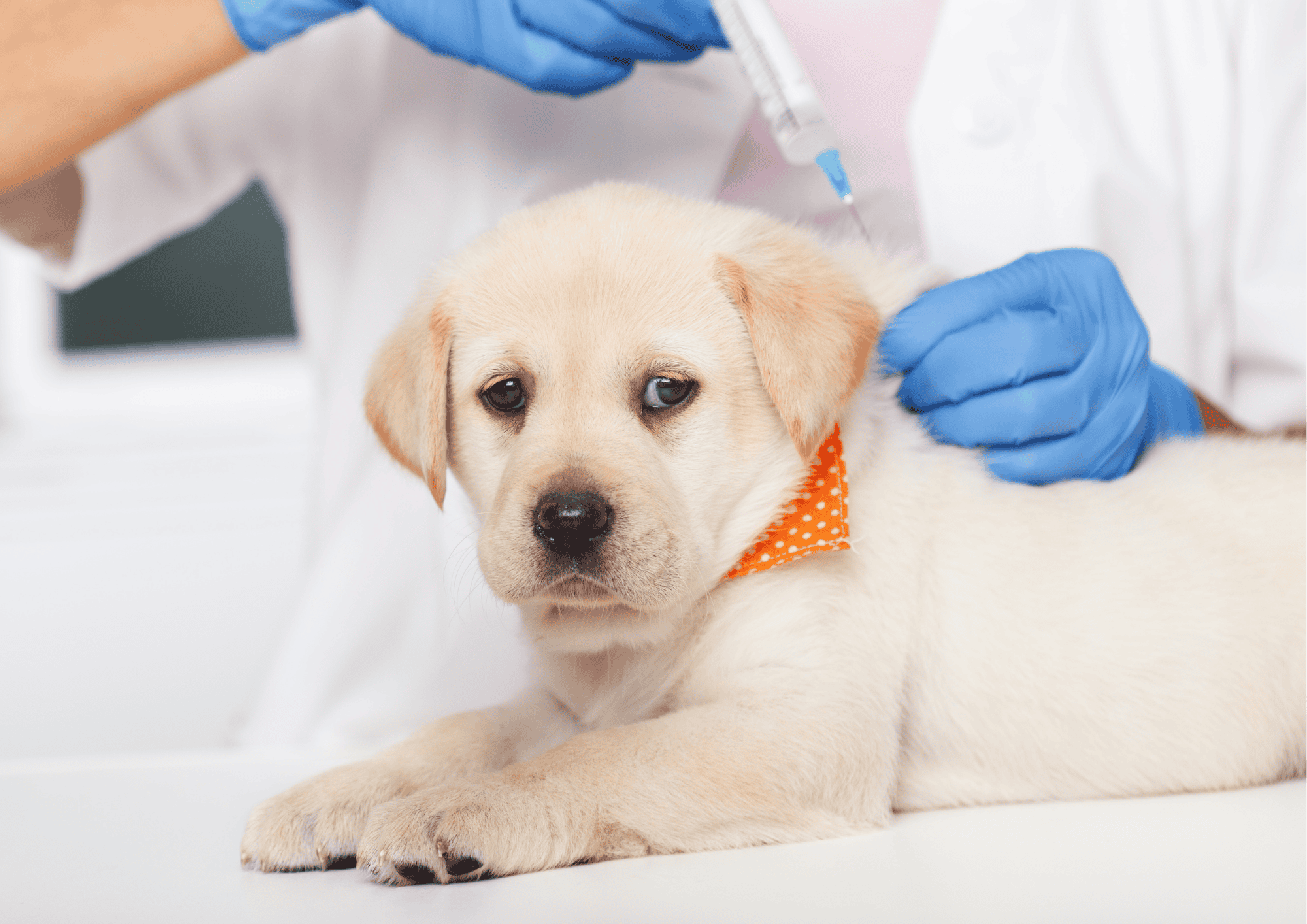
Vaccination programs play a key role in keeping your pets safe and healthy. As a pet owner, you want the best for your furry friends. Vaccinations can prevent serious diseases that can harm your pets and even affect humans. They protect against illnesses like rabies, distemper, and parvovirus. By ensuring your pet gets vaccinated, you help stop the spread of these diseases in your community. The role of a veterinarian Princeton, WV is to guide you through the vaccination process. They will ensure your pet receives appropriate vaccines at the right time. This ensures they grow strong and healthy. Vaccinations are not just individual protection. They create a community shield that protects unvaccinated animals. This is crucial in veterinary clinics where animals come together. Your efforts to vaccinate your pets contribute to a healthier environment for all. Safeguarding your pet’s health begins with understanding the importance of vaccinations.
Understanding Core Vaccines
Core vaccines are essential for all pets. They protect against diseases that are widespread and carry severe health risks. Rabies is one of the most critical core vaccines. It is a fatal disease that can spread to humans. Protecting your pet from rabies is a legal requirement in many areas. Other core vaccines include distemper and parvovirus for dogs. These diseases can be life-threatening. For cats, core vaccines include feline herpesvirus and calicivirus. Vaccinating against these diseases is crucial for maintaining your pet’s health.
Benefits of Vaccination
The advantages of vaccinating your pets extend beyond individual health. Vaccinations can prevent the outbreak of diseases. They save lives by reducing the severity of illnesses. Vaccinated pets are less likely to experience complications. This means fewer vet visits and lower medical costs for you. Additionally, vaccines contribute to the overall health of the animal community. They prevent the spread of infections and protect vulnerable animals.
Vaccination Schedule
A proper vaccination schedule is vital. It ensures your pet receives vaccines at the right age. Puppies and kittens start their vaccines early. Follow-up vaccines are necessary to maintain immunity. As your pet grows, booster shots are important. They ensure ongoing protection. Here’s a simple vaccination schedule:
Risks and Side Effects
Like any medical procedure, vaccinations carry some risks. Most pets experience no side effects. Common reactions include mild fever or soreness. Severe reactions are rare. It’s important to monitor your pet after vaccination. If you notice anything unusual, contact your veterinarian. The benefits far outweigh the risks. Vaccines save lives and protect health.
Legal and Ethical Responsibility
Vaccinations also meet legal obligations. You have a responsibility to your community. By vaccinating your pet, you lower the risk of disease outbreaks. Many places require rabies vaccines by law. Following legal requirements protects your pet and others. Ethical pet ownership means caring for your pet’s health and the health of others in the community.
Conclusion
Vaccination programs in veterinary clinics are crucial. They protect pets from dangerous diseases. They ensure community health by preventing outbreaks. Understanding the importance of vaccines helps you make informed decisions. Your veterinarian can provide expert guidance. They will help you navigate the vaccination process. For more information, you can visit American Veterinary Medical Association. Prioritize your pet’s health by staying up-to-date with their vaccines. This choice safeguards your pet’s well-being and contributes to a safer community for all.
